Protecting Your Privacy on Shared Computers With WhatsApp Web
The continuous advancement of digital communication tools has fundamentally transformed how individuals and enterprises manage daily correspondence. Among computer-centric utilities, WhatsApp Web has emerged as a cornerstone for maximizing productivity, offering a seamless bridge between mobile convenience and desktop efficiency. Rather than functioning merely as a basic display mirror, the modern browser-based client acts as a fully independent workspace. By connecting a smartphone account to a desktop or laptop browser environment, users bypass the physical limitations of mobile typing, handle expansive file transfers, and execute complex workflows without 如何登录WhatsApp网页版 constantly picking up their phones.
Simplified Setup and Multi-Device Architecture
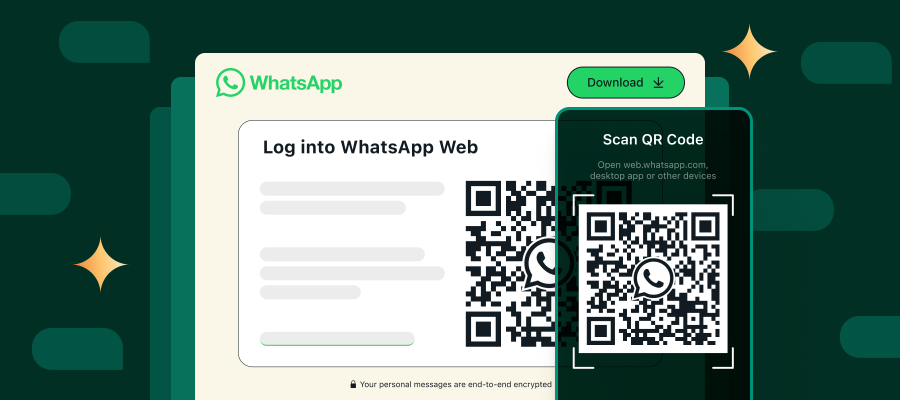
Getting started with the browser platform involves visiting the official portal via mainstream web applications like Google Chrome, Mozilla Firefox, Microsoft Edge, or Apple Safari. Authentication mechanisms have evolved to offer flexibility far beyond traditional QR code scanning. Users can choose an alternative phone number pairing option, which requires entering registered mobile digits and confirming an authorization code directly on the phone.
Underpinning this flexibility is Meta’s advanced multi-device infrastructure. Companion browsers operate through securely encrypted local sessions. Consequently, a primary smartphone can remain disconnected, offline, or powered down for up to fourteen consecutive days without interrupting active desktop messaging workflows. This architecture ensures continuous connectivity even during mobile battery failures or poor cellular coverage.
Native Voice and Video Calling Capabilities
A major milestone for the desktop ecosystem is the introduction of native browser-based calling. Users can initiate and receive both one-on-one and group voice or video calls directly inside their browser windows without downloading external desktop applications.
This native implementation includes essential collaboration components:
- Screen Sharing: Ideal for presentations, remote troubleshooting, or collaborative document reviews.
- Dedicated Calls Tab: Provides a centralized view of call history, favorites, and quick-dial options.
- End-to-End Encryption: Protects all audio and video streams without time limits or extra platform charges.
- Noise Suppression: Minimizes background environmental sounds to ensure crystal-clear audio during high-stakes remote conversations.
Advanced Productivity and Security Controls
Beyond communication basics, the platform supports heavy-duty professional tasks. Users can transfer large media files and dense documents up to 2GB per file, facilitating rapid digital asset sharing. Integration with Meta AI allows individuals to draft messages, summarize sprawling chat threads, and process text queries using intuitive conversational prompts directly in the sidebar.
Privacy features remain tightly synchronized across connected hardware. Sensitive conversations protected via mobile privacy tools—such as Chat Lock—extend seamlessly to the browser interface, requiring secondary verification before private logs become visible. Furthermore, users can activate advanced chat privacy settings to block content exports or restrict media auto-downloads on shared hardware.
Streamlining Workflow with Shortcuts
Navigating dense chat directories efficiently relies heavily on native keyboard commands. Mastering these shortcuts optimizes daily operational performance:
| Operation | Windows Command | Mac Command |
| Open New Chat | Ctrl + N | Cmd + N |
| Search Chat History | Ctrl + Shift + F | Cmd + Shift + F |
| Mute Active Conversation | Ctrl + Alt + Shift + M | Cmd + Ctrl + Shift + M |
| Mark Message Unread | Ctrl + Alt + Shift + U | Cmd + Ctrl + Shift + U |
| Archive Chat Thread | Ctrl + Alt + E | Cmd + Ctrl + E |
Maintaining absolute data integrity on shared or public computers requires ongoing vigilance. Because active browser sessions persist until manually terminated or automatically expired after fourteen days of phone inactivity, users should routinely audit linked hardware through their mobile app settings. Implementing Two-Step Verification on the primary account introduces an essential protective barrier, ensuring that browser-based interactions remain entirely shielded against unauthorized access.